This is an extremely interesting video. It seems that aiming a Tabor-style handgonne is not so difficult as one might think.
The earliest type of gunpowder, called “meal” or “serpentine” powder, was very fine, like flour. But it had a problem, as it was very hard to store and the component elements would separate from each other over time. Sometime before the turn of the 16th century, it was discovered that gunpowder could be “corned” into specks of consistent size to increase its power and longevity.
Meal powder burns slower than corned powder, giving the gunner a moment to aim with both hands, as demonstrated in the video.
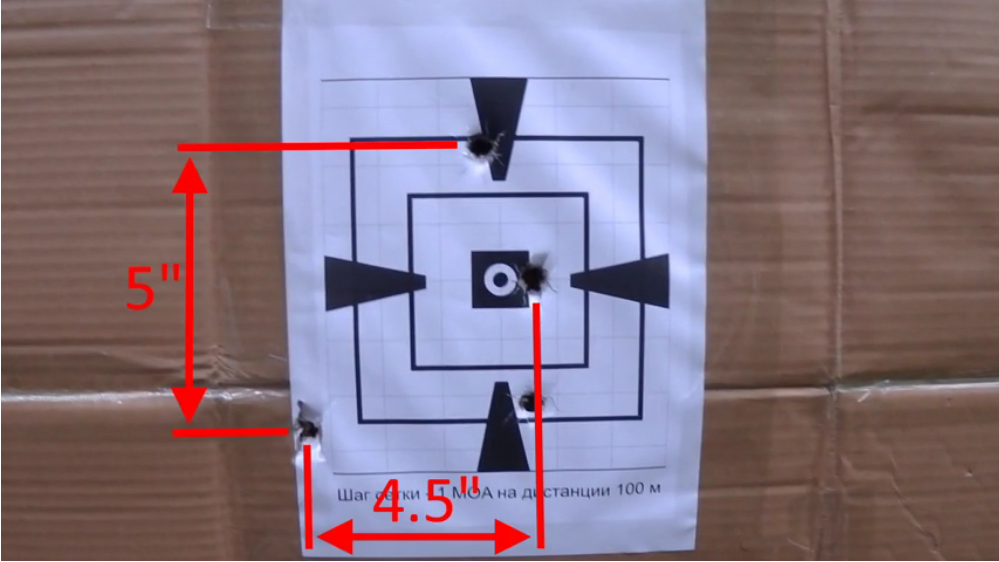
The gunner also demonstrates the accuracy of his weapon at 11 yards. The grouping is not so bad at all, considering that he is shooting freehand with no sights and trying to keep steady during the long hangfire time.
 Bow Vs. Musket
BTW, a 1621 account of the Battle of the Yellow Ford in Ireland describes an English soldier refilling their powder flask from a barrel during combat. The soldiers did not mind his match and soon he was discussing his mistake with St Peter. So as late as 1598, many English soldiers were issued loose corned powder, and making it into cartridges or pouring it into cases on a bandolier was for them to do in their own time. There are many nineteenth-century sources for the same practice in India and China.
(McGurk, <em>The Elizabethan Conquest of Ireland</em>, p. 234, citing Philip O’Sullivan Beare’s Latin history)
LikeLike